
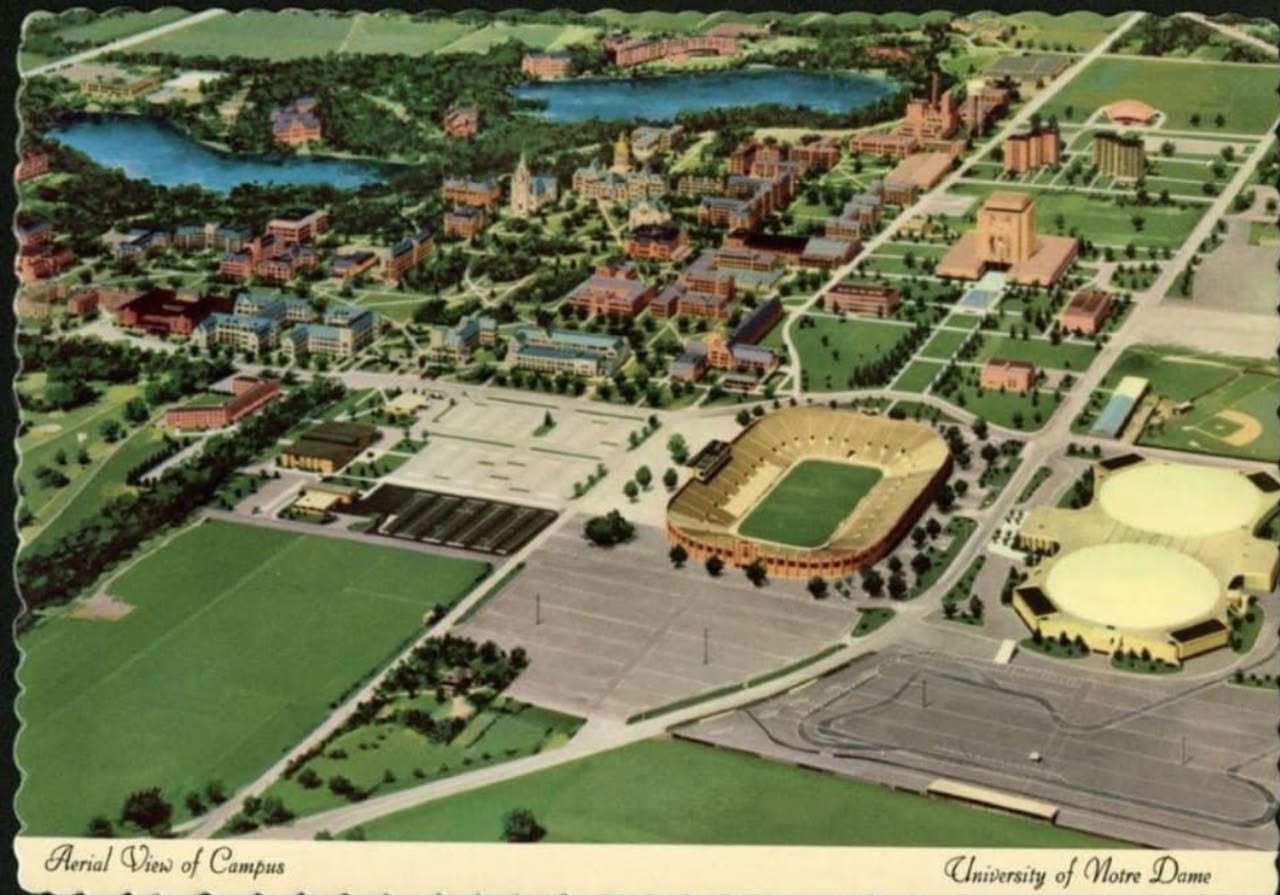

How Close to Notre Dame Should You Buy a House? A Local Homebuyer Guide
If you’re buying a house near the University of Notre Dame, one of the first decisions isn’t necessarily which neighborhood. It’s how close to campus do you actually want to live? In this guide, you’ll discover How close to Notre Dame should you buy a house?
Quick Answer
The right distance from Notre Dame depends on how you plan to use your home.
If walking or biking to campus matters, start with campus-adjacent areas such as Harter Heights, Wooded Estates, and the neighborhoods around Notre Dame Avenue and Angela Boulevard. If you’d rather have a short drive while expanding your housing choices, consider areas such as Twyckenham and Northeast South Bend. If larger lots, suburban neighborhoods, and more separation from campus activity matter more than walkability, Granger becomes an important alternative.
The best choice isn’t simply the house closest to the Golden Dome. It’s the location that gives you the right balance of proximity, house, neighborhood and budget.
Ready to see what’s currently available? Start with Joe’s Houses for Sale Near Notre Dame search.
Why Does Distance From Notre Dame Matter So Much?

Harter Heights is a Top Neighborhood for homeowners and investors near campus.
Real estate around Notre Dame behaves differently from a typical citywide home search.
Someone working on campus several days a week may value walking or biking highly. An alumnus buying a second home may care more about game-day convenience and parking. Another buyer may gladly trade campus walkability for a larger home, quieter setting, or more land.
That means “near Notre Dame” can describe several very different home searches.
Joe’s existing Notre Dame buyer resources identify Harter Heights as one of the closest established residential neighborhoods and also highlight Wooded Estates, Twyckenham and other nearby South Bend areas.
How Close Should You Live to Notre Dame?
| Your Priority | Where to Start Looking | Main Trade-Off |
|---|---|---|
| Walk or bike to campus | Harter Heights, Wooded Estates, campus-adjacent Northeast South Bend | Convenience can increase competition for desirable homes |
| Short drive with more choices | Twyckenham and surrounding South Bend neighborhoods | Less walkability, but a broader housing search |
| More space and suburban setting | Granger | You’ll generally drive to campus rather than walk |
| Second home or frequent campus visits | Start close to campus, then expand outward based on parking, maintenance and budget | Proximity may matter more than square footage |
| Daily Notre Dame commute | Compare both campus-adjacent homes and short-drive neighborhoods | Decide how much convenience is worth relative to the house itself |
Exact travel time should always be checked from the individual property. Two homes marketed as “near Notre Dame” can create very different daily routines.
When Does Walking Distance to Notre Dame Make Sense?
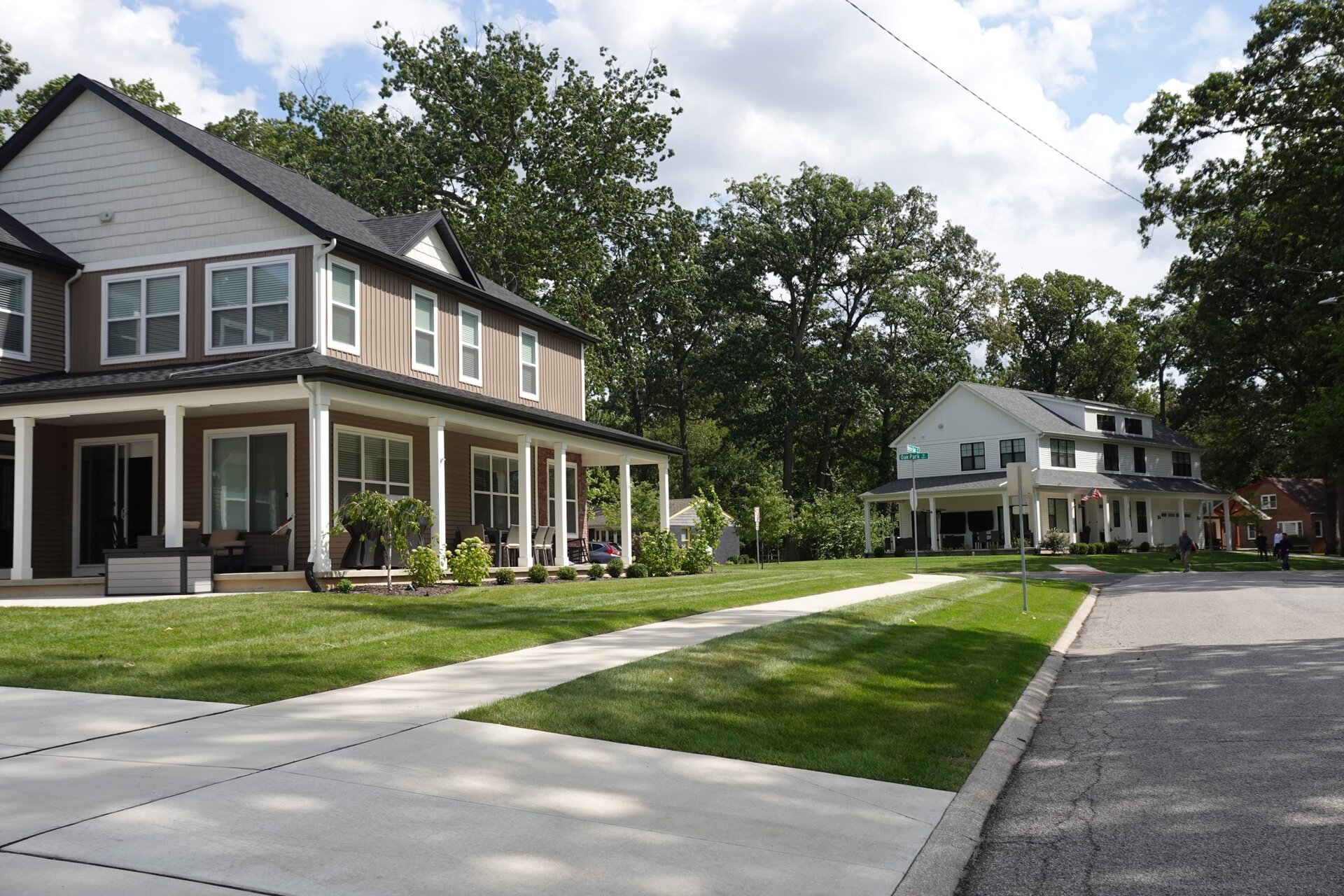
Woodland Estates is Valued for its close proximity to Notre Dame
Living close enough to walk or bike can be especially valuable when Notre Dame is part of your everyday routine.
Individual properties in Harter Heights and Wooded Estates can put buyers quite close to campus. Notre Dame’s own off-campus housing service currently shows residential properties south of campus ranging from roughly 0.6 to 1.4 miles from the university, illustrating how much proximity can vary even within the surrounding area.
But proximity shouldn’t be evaluated by mileage alone.
Look at the actual route, sidewalks, intersections, parking, winter conditions and which part of campus you need to reach.
For a detailed comparison of the surrounding areas, see Joe’s Top 10 Neighborhoods Near Notre Dame guide.
What If You Want to Be Close, But Don’t Need to Walk?
This is where the home search becomes much broader.
Twyckenham and other established South Bend neighborhoods offer quick access to the university while providing different home styles, lot sizes, and price points than the immediate campus area.
The important question becomes:
Would you rather own the better-located house, or the house that better fits your everyday life?
For someone who only needs to reach Notre Dame a few times per week, adding a short drive may substantially expand the properties worth considering.
This is particularly relevant for relocation buyers who initially tell Joe, “I need to live near Notre Dame,” when what they really mean is, “I need an easy commute to Notre Dame.”
Those aren’t always the same search.
Should You Buy Near Notre Dame or in Granger?
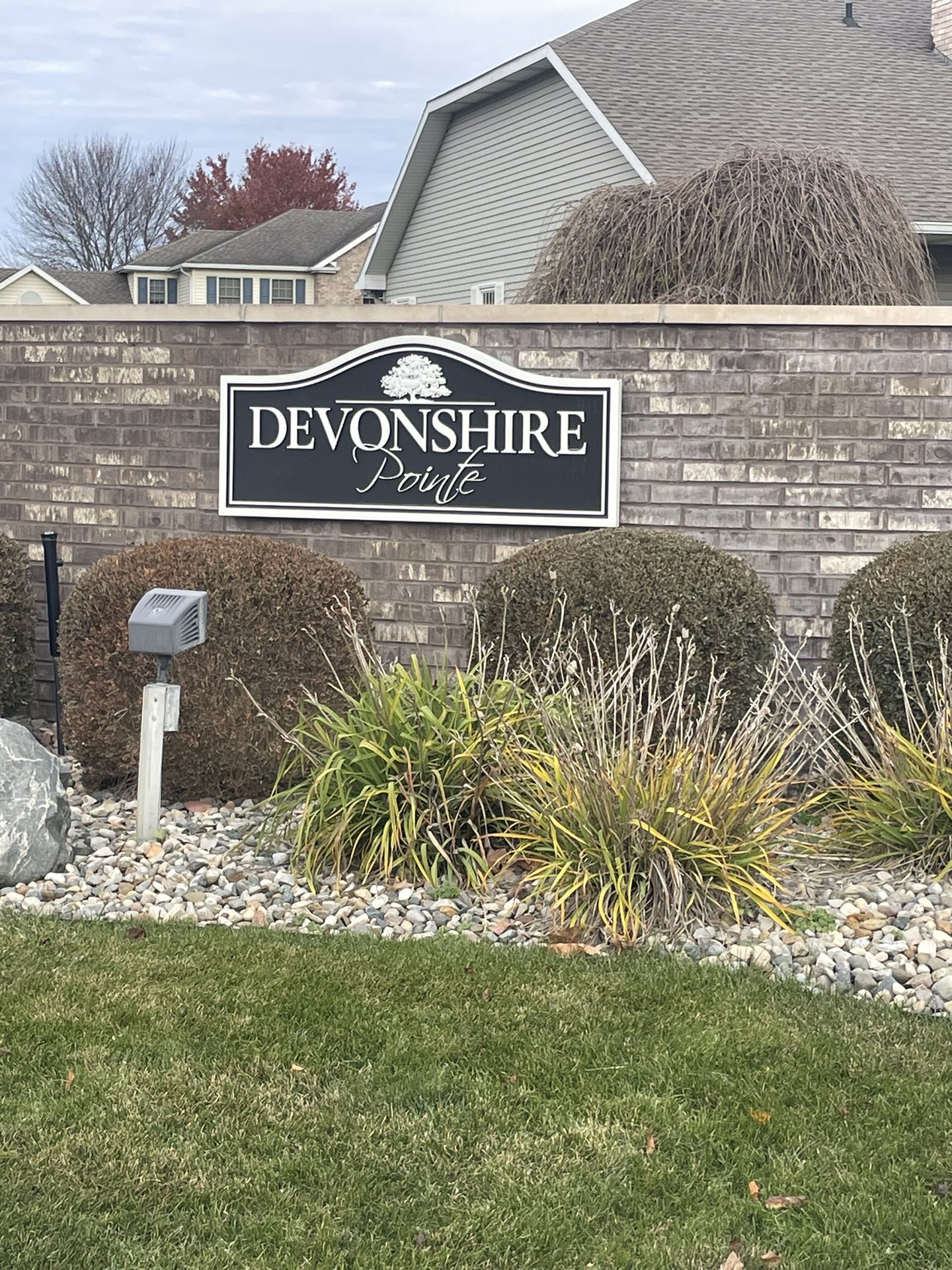
This is one of the most useful comparisons for buyers moving into the area.
Granger is a separate residential market outside the immediate campus corridor. Joe’s Granger buyer resources emphasize larger lots, planned subdivisions, newer housing stock in many areas and access to Penn-Harris-Madison schools, subject to verification by individual address. (Visit Joe’s Hyper-Local Penn School District MLS)
The decision usually comes down to priorities.
Choose closer to Notre Dame when campus access, walkability and being part of the South Bend/Notre Dame environment are the priority.
Expand toward Granger when the home itself, lot size, suburban setting or particular school area matters more than being able to walk to campus.
Neither is automatically better.
A buyer who understands that trade-off early can search much more efficiently.
Compare current options on Joe’s Granger Homes for Sale page.
What Should Notre Dame Faculty and Staff Consider?
For someone relocating for work at Notre Dame, I recommend starting with the weekly routine, not a neighborhood name.
How often will you be on campus? Would you actually walk or bike if you lived close enough? Will you regularly return home between commitments? Is avoiding a daily drive important, or would you rather have more house or yard?
Once those questions are answered, the search radius becomes much easier to define.
This is also where Joe’s local search tools can be useful. Instead of searching all of South Bend, buyers can narrow properties around the places and neighborhoods that actually fit their routine.
What About Alumni, Parents and Second-Home Buyers?
A buyer who won’t be commuting every day may evaluate proximity differently.
For an alumnus or parent who expects to visit primarily around university events, parking, ease of access, maintenance and the way the home will actually be used may matter as much as whether campus is a ten-minute walk away.
Buyers considering occasional rental use should also verify current zoning, licensing, HOA restrictions, insurance requirements and local regulations before assuming rental income will be available.
Location can create opportunity, but the property still needs to work for its intended use.
Search by the Way You’ll Actually Live | How Close to Notre Dame Should You Buy a House?
One advantage of Joe Laskowski’s approach is that buyers aren’t limited to typing “South Bend” into a large search box and sorting through everything.
You can start with the question you’re actually trying to answer.
Want to stay close to campus? Use the Notre Dame home search.
Still deciding among nearby neighborhoods? Use the Notre Dame neighborhood comparison guide.
Want more space and don’t mind driving? Compare Granger homes.
Joe also uses MLS and RealScout tools designed to help buyers narrow searches around location and lifestyle rather than repeatedly rebuilding the same filters.
A Local Perspective From Joe Laskowski
Joe grew up minutes from campus, parked cars during games & sold brochures! His first sale was his family home-blocks from campus!
For Joe, the area around Notre Dame isn’t simply another real estate territory.
He grew up less than a mile from campus, with early jobs selling brochures outside the stadium and parking cars on game days. That connection gives him a long-term understanding of how dramatically the experience can change from one street or neighborhood to another.
That local knowledge matters when a buyer asks a question an MLS search can’t answer:
“How close to Notre Dame do I actually need to be?”
The answer isn’t a fixed radius.
It’s finding the point where location and the right house intersect.
Frequently Asked Questions About Buying Near Notre Dame
What neighborhoods are closest to Notre Dame?
Harter Heights, Wooded Estates and residential areas immediately south and west of campus are among the places buyers commonly consider when proximity is the priority. Exact distance varies considerably by address. Joe’s neighborhood guide compares these areas in more detail.
Is it worth paying more to live closer to Notre Dame?
It can be if walkability or frequent campus access has real value to you. If you expect to drive most of the time anyway, expanding the search may produce a house that fits your needs better.
Is Granger close enough if I work at Notre Dame?
For many buyers, yes, provided a driving commute fits their lifestyle. Granger should be considered a different housing choice rather than simply a farther Notre Dame neighborhood. It offers a suburban market with different housing stock and neighborhood characteristics.
Should I choose the neighborhood before looking at houses?
Usually, start with your priorities first: campus frequency, walkability, budget, home size, lot and commute. Then narrow the neighborhoods that satisfy those requirements.
How can I search for homes within a specific distance of Notre Dame?
Joe can narrow an MLS and RealScout search around your preferred campus radius, neighborhoods, price range and property requirements rather than making you sort through every South Bend listing.
Find the Right Distance and the Right House

Joe enjoys a walk around the lake with his daughter and family pet!
How Close to Notre Dame Should You Buy a House? Buying close to Notre Dame isn’t simply about getting as close to campus as your budget allows.
For one buyer, the right answer may be a home they can walk to.
For another, it’s five or ten minutes away with more room.
For someone else, it’s a Granger home that offers the lifestyle they want while keeping Notre Dame within a practical drive.
Start with how you want to live. Then build the home search around it.
Explore Joe’s current homes near Notre Dame and local buyer resources, or contact Joe Laskowski, REALTOR®, McKinnies Realty to create a home search based on your actual distance, neighborhood and property priorities.
